
To Reduce your Global Footprint, Cut Down on Eating Meat!
So many people I talk to, in an effort to help the planet, choose to eat meat that is raised more humanely and on pasture. 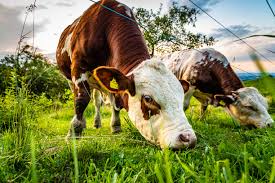 I agree that meat raised more naturally is nicer for the animal, supports an organic farmer, and is healthier for one’s body, however, in this NY Times article, it explains that while grass-fed beef is more natural and humane than factory-farmed beef, (and is free of pesticides and GMO food) it is not better for the climate—and in many cases is slightly worse. Beef overall is one of the largest contributors to food-related greenhouse gas emissions, producing far more emissions per kilogram than plant-based proteins.
The core problem is methane. Cows emit large amounts of methane throughout their lives, and although it breaks down faster than carbon dioxide, it is far more powerful at warming the planet in the short term. Grass-fed cows typically live much longer than feedlot cows—often up to three years instead of about 18 months—which means they emit methane for a longer time. As a result, grass-fed beef generally produces equal or higher climate emissions than industrial beef.
Some industry-backed claims suggest that grazing cattle can offset emissions by storing carbon in soil. However, recent independent research shows that these benefits are limited, temporary, and usually do not come close to canceling out methane emissions. Soil can only absorb so much carbon, and most grass-fed systems still produce at least 10 percent more emissions per unit of protein than conventional beef. Grass-fed beef also requires significantly more land, which could otherwise be used to grow food for people or to store carbon naturally.
The article’s key takeaway is that the most effective way to reduce food-related greenhouse gas emissions is not choosing “better” beef, but eating less beef overall. A relatively small portion of the population accounts for a disproportionate share of meat consumption, and experts agree that meaningful climate benefits will come from most people cutting back on meat, rather than trying to make everyone vegan or switching to grass-fed options.
In short: when it comes to climate impact, less meat beats different meat, and reducing beef consumption is one of the most powerful actions individuals can take to lower their greenhouse gas emissions.
Tell NYS to End the Use of Sewage Sludge!
 The application of sewage sludge (often called biosolids) as fertilizer for farmlands in New York has been occurring for decades. This material is frequently contaminated with PFAS “forever chemicals,” heavy metals, and other toxic substances that put soil health, food systems, drinking water, and public health at risk.
Comments are closed.